Sweepstakes Gaming vs Traditional Online Casinos: What Makes the Entertainment Models Different?
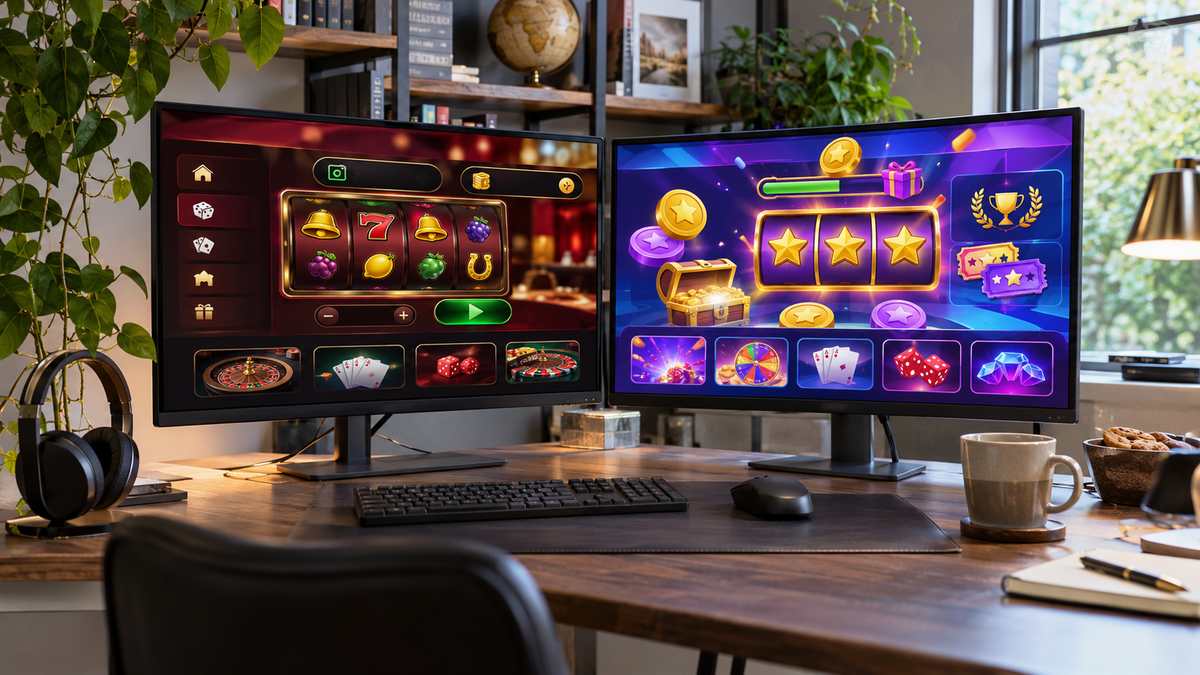
Online casino-style entertainment now operates through several participation models. Traditional online casinos use real-money wagering, while sweepstakes gaming platforms typically rely on virtual currencies and promotional prize systems. Although both may feature similar games, their payment structures, legal requirements, and consumer protections can differ significantly.
Understanding these differences helps consumers make informed decisions. Traditional casinos generally operate under gambling licenses where online wagering is permitted. Meanwhile, sweeps casinos commonly use virtual currencies that separate recreational gameplay from prize-eligible participation. However, the legal treatment of these systems varies across jurisdictions.
Understanding Traditional Online Casinos
Traditional online casinos allow eligible adults to wager real money on games of chance. Players typically deposit funds, select games, and place bets using their account balances. Depending on the outcome, they may win money or lose their stakes.
These platforms generally require authorization from gambling regulators in jurisdictions where online casino gaming is legal.
The UK Gambling Commission, for example, establishes licensing requirements covering game fairness, customer verification, financial transactions, and responsible gambling practices.
Licensed operators must follow applicable rules regarding player protection and operational transparency. However, licensing standards vary between countries and states, making local regulations an important consideration.
How Does Sweepstakes Gaming Work Differently?
Sweepstakes-based gaming uses a different structure. Instead of requiring conventional cash wagers, many platforms operate through two virtual currencies.
Two Currencies With Different Purposes
The first currency, often called Gold Coins, supports recreational gameplay. These coins generally have no monetary value and cannot be redeemed for cash prizes.
The second currency, commonly called Sweeps Coins, may allow eligible participants to enter games offering redeemable prizes.
A 2026 investigation documented by the New York Attorney General’s Office examined platforms using this dual-currency arrangement. The investigation highlighted how virtual coin purchases and prize redemption can resemble conventional wagering.
Importantly, offering a free participation method does not automatically make every platform lawful. Regulators may examine how the entire business operates rather than relying on its promotional terminology.
Comparing Game Selection: Similar Games, Different Stakes
Game libraries can look remarkably similar across both entertainment models.
Traditional online casinos frequently provide slot machines, blackjack, roulette, poker, and other familiar casino games. Some also include live-dealer experiences that simulate physical casino environments.
Sweepstakes gaming platforms may offer comparable titles, particularly digital slots and table games.
The Louisiana Department of Justice identified blackjack, roulette, poker, and slots among the casino-style games used by dual-currency platforms in its July 2025 legal opinion.
However, availability differs between operators. Software partnerships, licensing arrangements, geographic restrictions, and technical capabilities can influence which games appear.
The central distinction is therefore less about game appearance and more about what participants risk and what they may receive.
What Changes When Payments Enter the Picture?
Payment arrangements create one of the clearest differences between these models.
Direct Wagering Versus Optional Purchases
Traditional online casinos generally require deposited money for real-money gameplay. Winnings and losses directly affect the player’s monetary balance.
Sweepstakes platforms may provide recreational coins without payment. Some also sell virtual currency packages that include promotional entries.
Participants may obtain sweepstakes entries through free methods specified in official rules. These might include daily rewards, promotional offers, or mail-in requests.
The Federal Trade Commission (FTC) explains that legitimate sweepstakes cannot require purchases to enter or improve winning chances under applicable US sweepstakes rules.
Prize Redemption Has Conditions
Prize eligibility does not guarantee immediate redemption. Platforms may impose minimum redemption amounts, identity checks, geographic restrictions, and other eligibility conditions.
Similar considerations arise when examining online lottery participation and winning odds, where understanding the rules, probabilities, and prize-claiming requirements is important.
Consumers should examine these conditions before participating, particularly when virtual currencies and real-world prizes are involved.
Regulatory Oversight: Why Location Matters
Legal treatment remains one of the most important differences.
Licensed online casinos operate within established gambling regulations. Sweepstakes gaming, however, faces varying interpretations because its promotional structure can overlap with gambling laws.
In September 2026, the New York Attorney General’s Office announced an $8 million settlement involving VGW Holdings and its affiliates over unlawful online casino-style operations.
New York also enacted legislation banning online sweepstakes casinos in December 2025.
These developments demonstrate why access to a website does not necessarily establish legal permission to participate.
Age limits also differ across jurisdictions. In Great Britain, the UK Gambling Commission requires online gambling operators to verify customer age and identity before gambling.
Consumers should review local laws, official contest rules, eligible locations, and verification requirements rather than assuming that every platform follows identical standards.
Reviewing the Entertainment Experience
Neither model can be assessed solely through game variety. A balanced review should also examine usability, transparency, and consumer support.
Several factors deserve attention:
- Accessibility: Registration requirements, device compatibility, and geographic availability affect participation.
- Interface design: Clear navigation and understandable currency balances help users recognize how games operate.
- Transparency: Payment terms, prize conditions, game rules, and eligibility restrictions should be easy to locate.
- Customer support: Accessible assistance and documented complaint procedures matter when transactions or account issues arise.
- Responsible-play features: Spending controls, account restrictions, and self-exclusion options can help users manage participation.
The National Council on Problem Gambling publishes Internet Responsible Gambling Standards addressing consumer information, player controls, and harm prevention.
These principles provide useful evaluation criteria across different digital gaming environments.
Where Each Model Falls Short
Traditional online casinos expose participants to direct financial losses through wagering. Even regulated platforms cannot eliminate gambling-related risks.
Sweepstakes gaming can create different concerns. Virtual currencies may make spending harder to interpret, while complicated redemption rules can create uncertainty.
Neither model should be viewed as a reliable source of income.
Conclusion: Understanding the Model Matters More Than the Games
Traditional online casinos and sweepstakes gaming platforms may offer similar digital entertainment, but their underlying structures differ.
One generally relies on regulated real-money wagering. The other commonly combines recreational virtual currencies with promotional prize opportunities.
Both require careful consideration of financial exposure, legal restrictions, and participation terms.
As regulations evolve, consumers benefit from examining how platforms operate rather than judging them by appearance or marketing language. Clear rules, transparent transactions, and responsible participation remain essential regardless of the entertainment model.